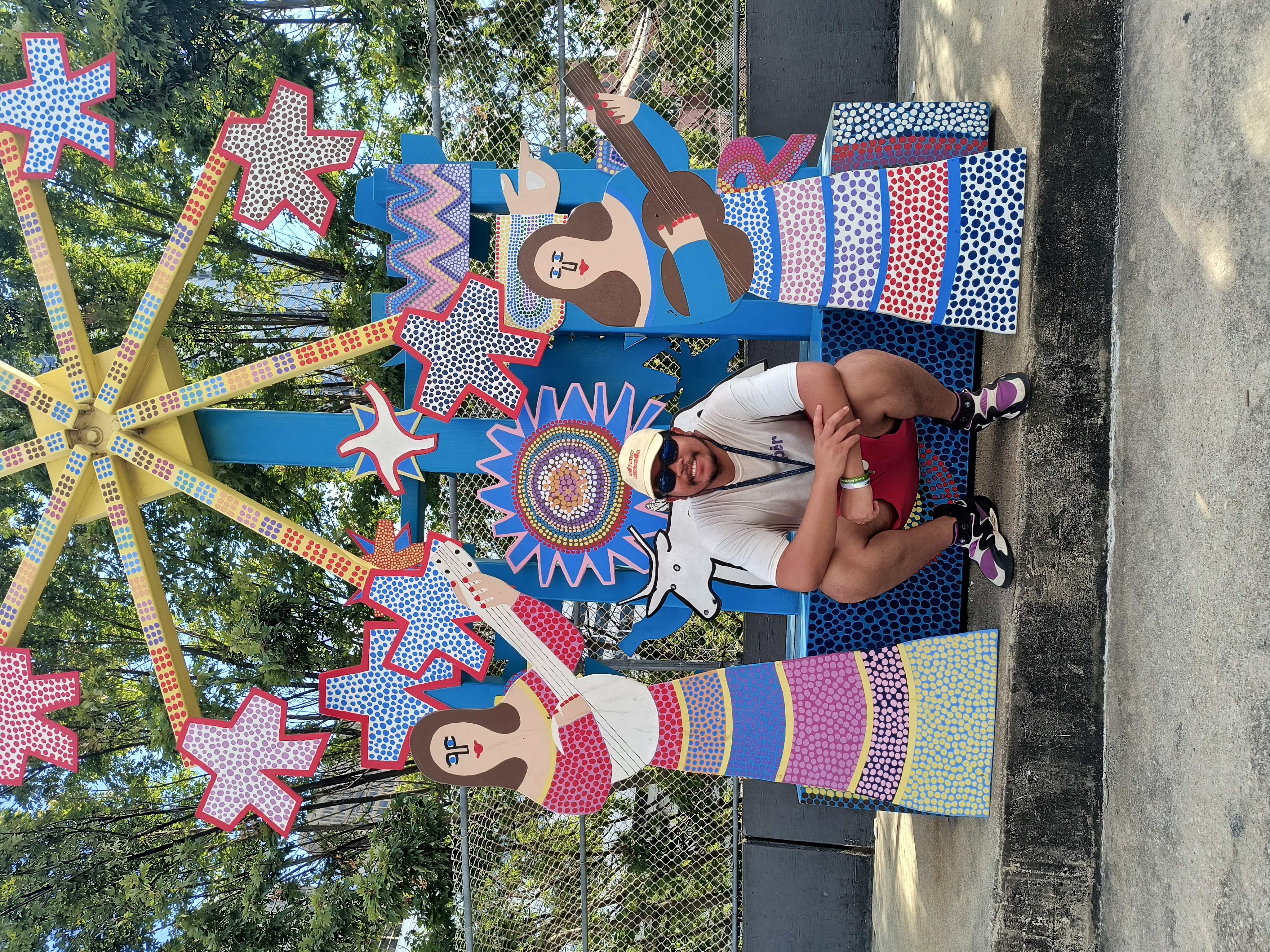
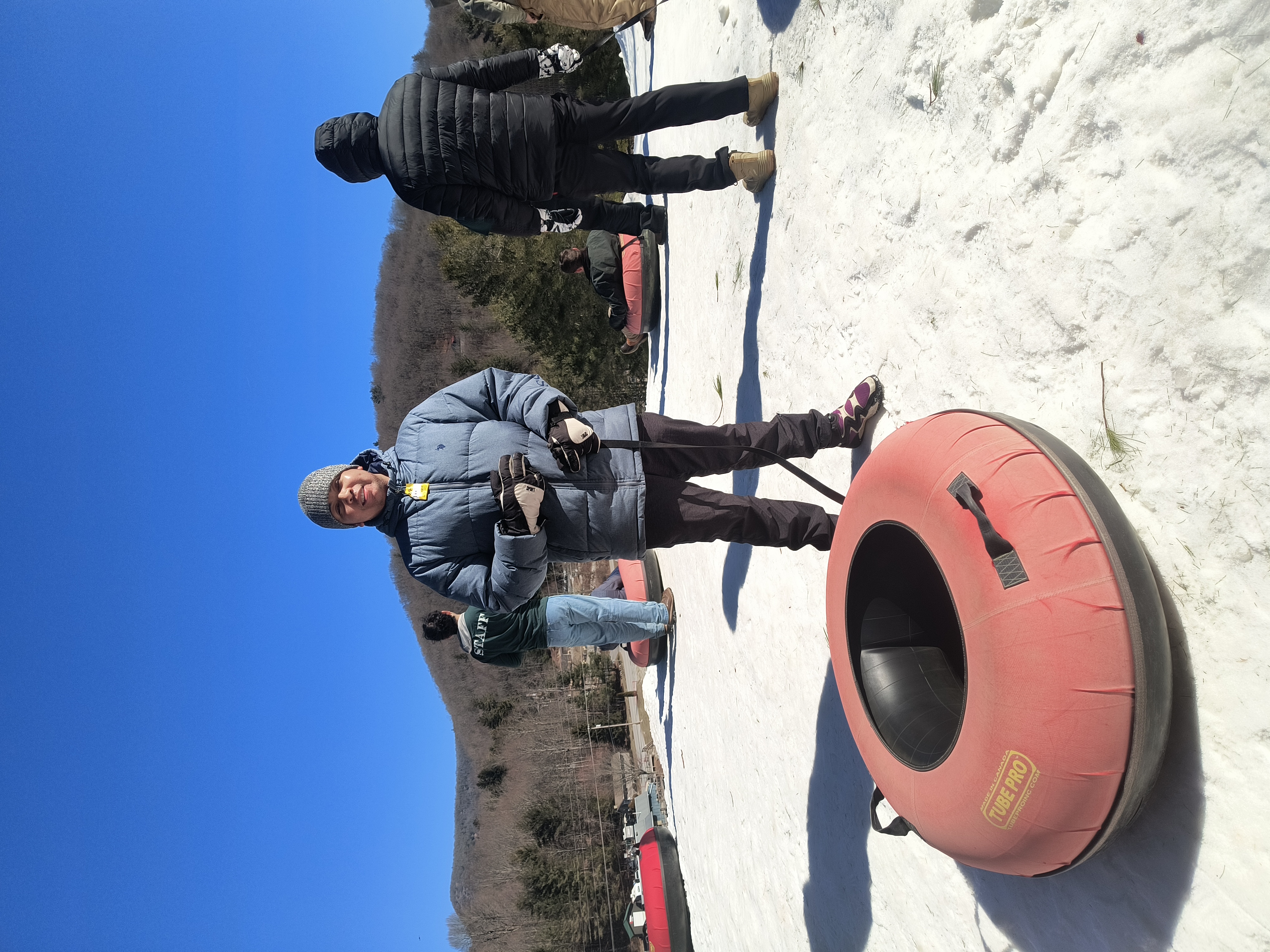
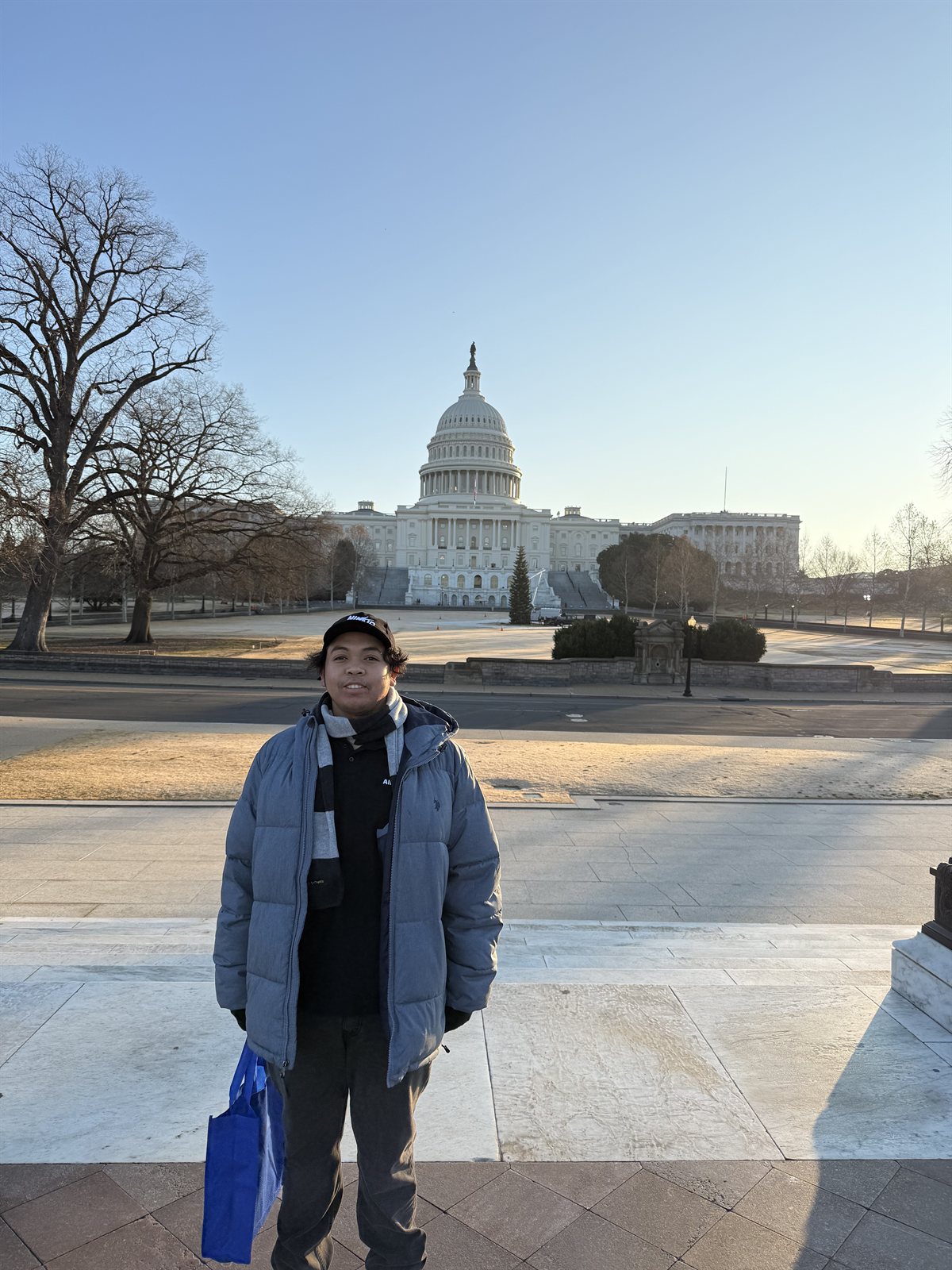
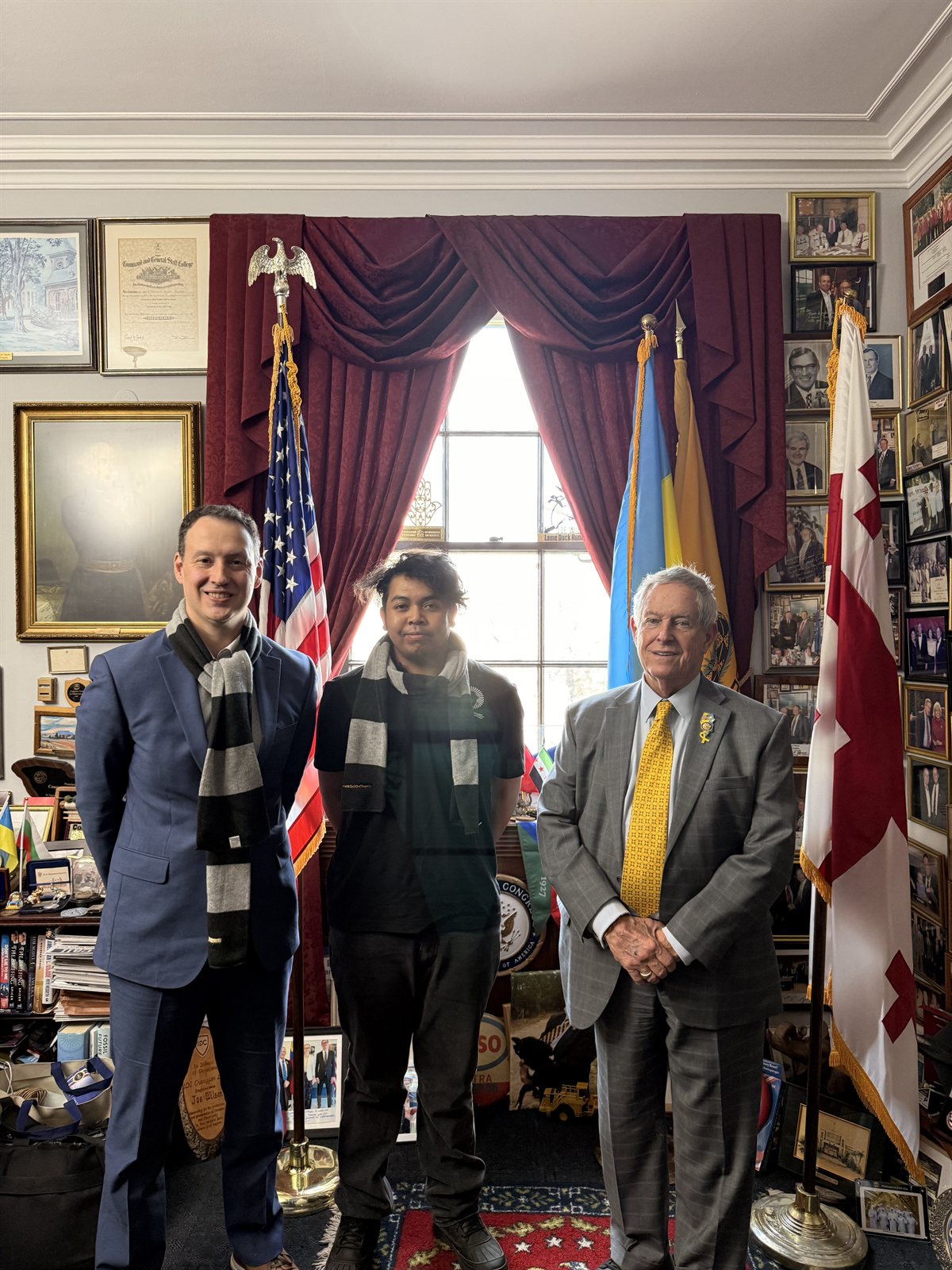
Hi, I'm Fabrice, a mathematics PhD student at Clemson University. How did I get here? The story involves a neutrino, a runaway cat, and an accidental visit to the math department.
A neutrino walks into a bar...
I earned degrees in Theoretical Physics at the University of Antananarivo, and my work was in particle physics. Eventually, I got tired of chasing particles. Then a neutrino walked into a bar and Schrödinger's cat ran out. “Finally, something I can catch!” I thought. So I chased the cat.
The cat became a category
The cat accidentally led me into the math department. I finally caught it, but everyone called it a “category.” Apparently, even cats get longer names here. I stayed to study category theory, which explores mathematical objects through their relationships. Now I apply it to Boolean networks: think of connected switches whose on/off states follow rules.
Now the cat needs a home
Where do you put a cat that has become a category? That brings me to my fascination with topos theory. I like to imagine it as a meeting place where different branches of mathematics can understand one another through a shared language of structure and logic. The cat would probably prefer a cardboard box.
The computer wants proof
“I caught the cat,” I told the computer. “Prove it,” it replied. That is the spirit of my growing interest in formalization: writing mathematics precisely enough for a proof assistant to check each step. I'm also curious about how AI can help us discover and explain mathematical ideas. The cat has declined to provide evidence.
Still following paw prints
While the cat naps, I explore new technologies, learn tools, and build projects to understand the ideas I'm working with. Curiosity keeps sending me between subjects, looking for connections and the bigger picture. I thought catching the cat would be the end of the adventure. Apparently, it was the admissions process.
Seminar & Talks
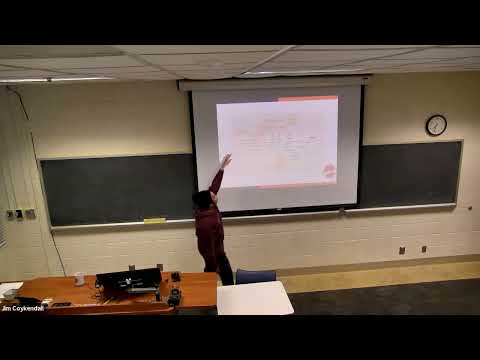
I share talks and seminar recordings related to mathematics, theory, and broader conversations at the intersection of ideas and society.
I enjoy reading books that introduce new ideas, challenge the way I think,
and open up new ways of seeing mathematics, logic, and the structure of
knowledge more broadly.
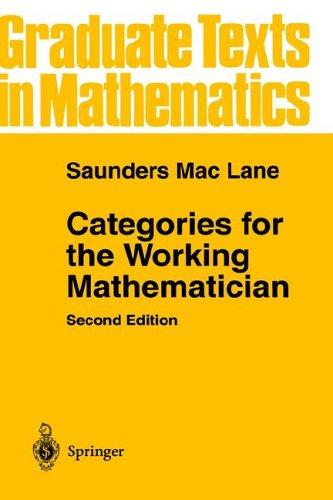
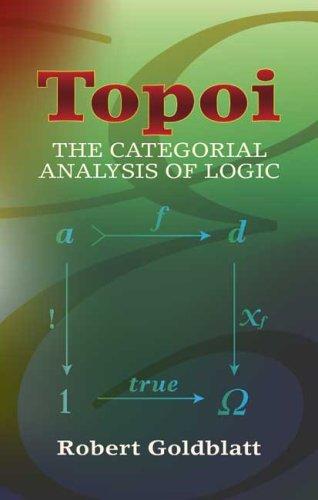
My reading focused on limits and adjunctions. I was especially interested in how these ideas express relationships between mathematical objects and connect different constructions through a common language.
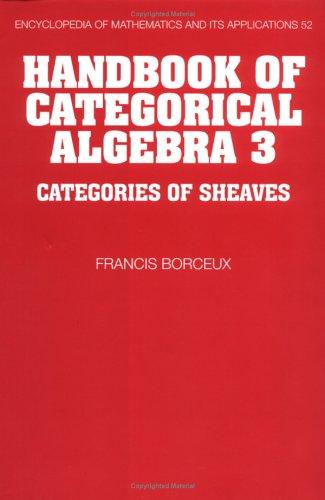
I approached this book with a particular interest in the relationship between sheaves and locales. That connection was the thread I followed through its broader treatment of categorical algebra.
I'm still at page 120, so this one is very much a work in progress. I'm taking my time with the ideas as I explore the connections between category theory and logic.
Thanks to Jim Coykendall's class, I have at least some familiarity with most of the topics here. There is still plenty to understand more deeply, but the book feels like familiar territory.
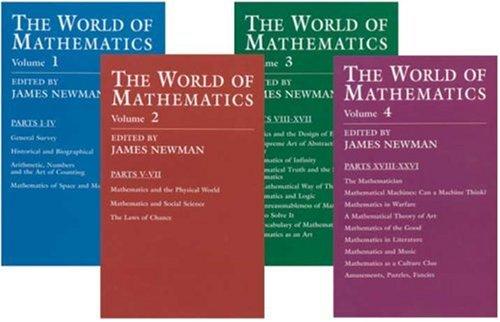
I read this to get a feel for how people in earlier times thought about mathematics and put their ideas into writing. I haven't read it straight through; I jump between essays, following whatever catches my curiosity.
This is my favorite topology book. Its meeting of topology, logic, and algebra is especially close to the kinds of mathematical connections I enjoy exploring.
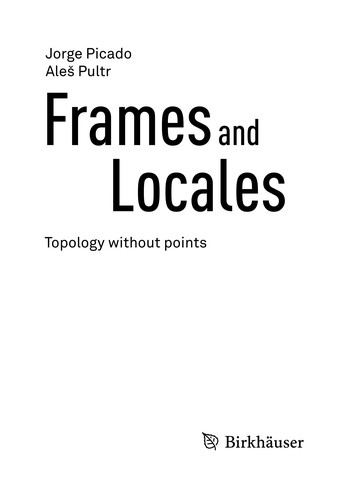
My master's work focused on frames and locales, so this book has a special place in my mathematical journey. For me, its study of topology without points is tied to a subject I spent a substantial part of my studies exploring.
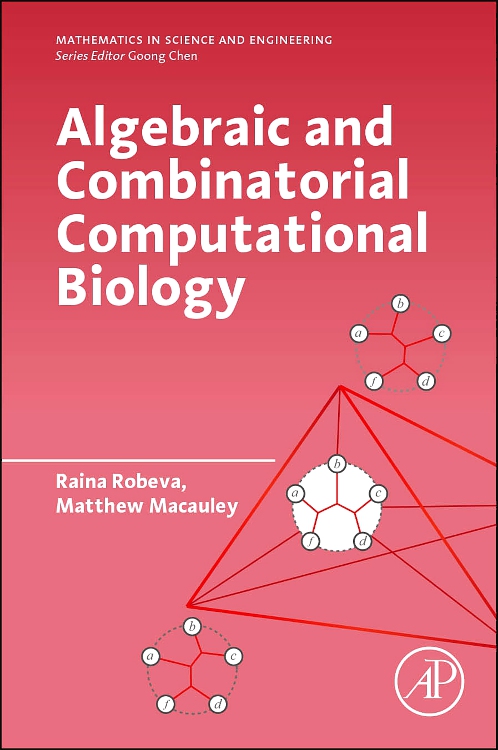
This is where I learned about Boolean networks. That introduction connects directly to my current research, where I explore how category theory can help describe and understand these networks.